Home  >  News

October 21, 2026      News      9276

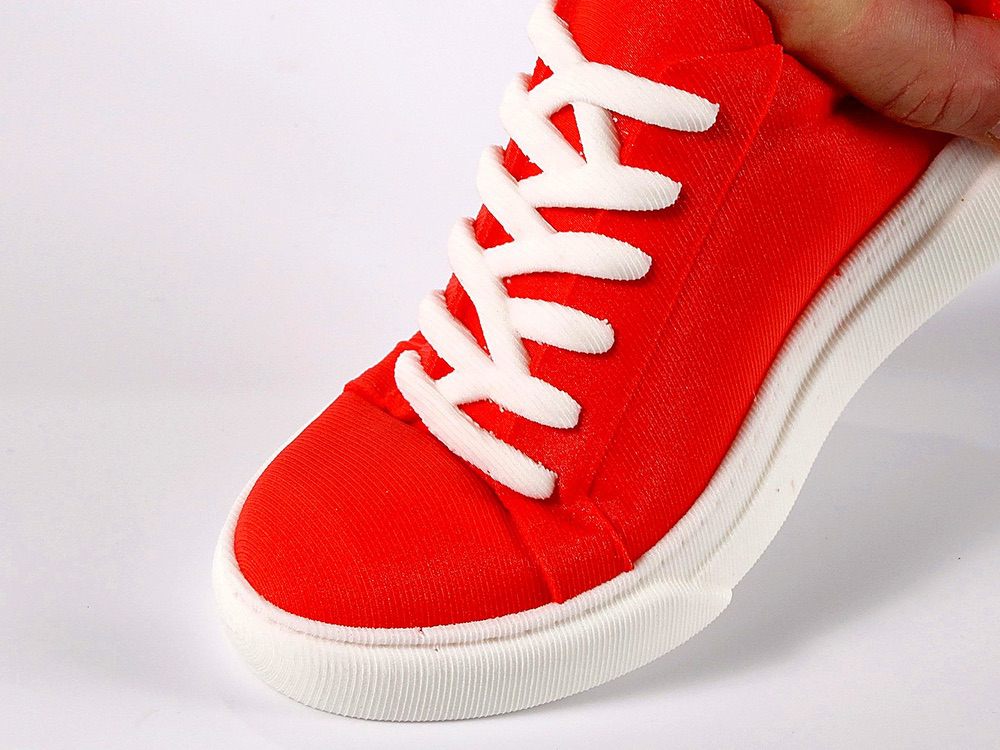
Foamed TPU printing for shoes has long been stuck between "can print" and "wearable": the material is too soft, and 1.75mm filament just can't push it through—clogging, filament jams, and stringing come one after another; the printed soles come out heavy and hard, far from the feel of a foamed outsole.

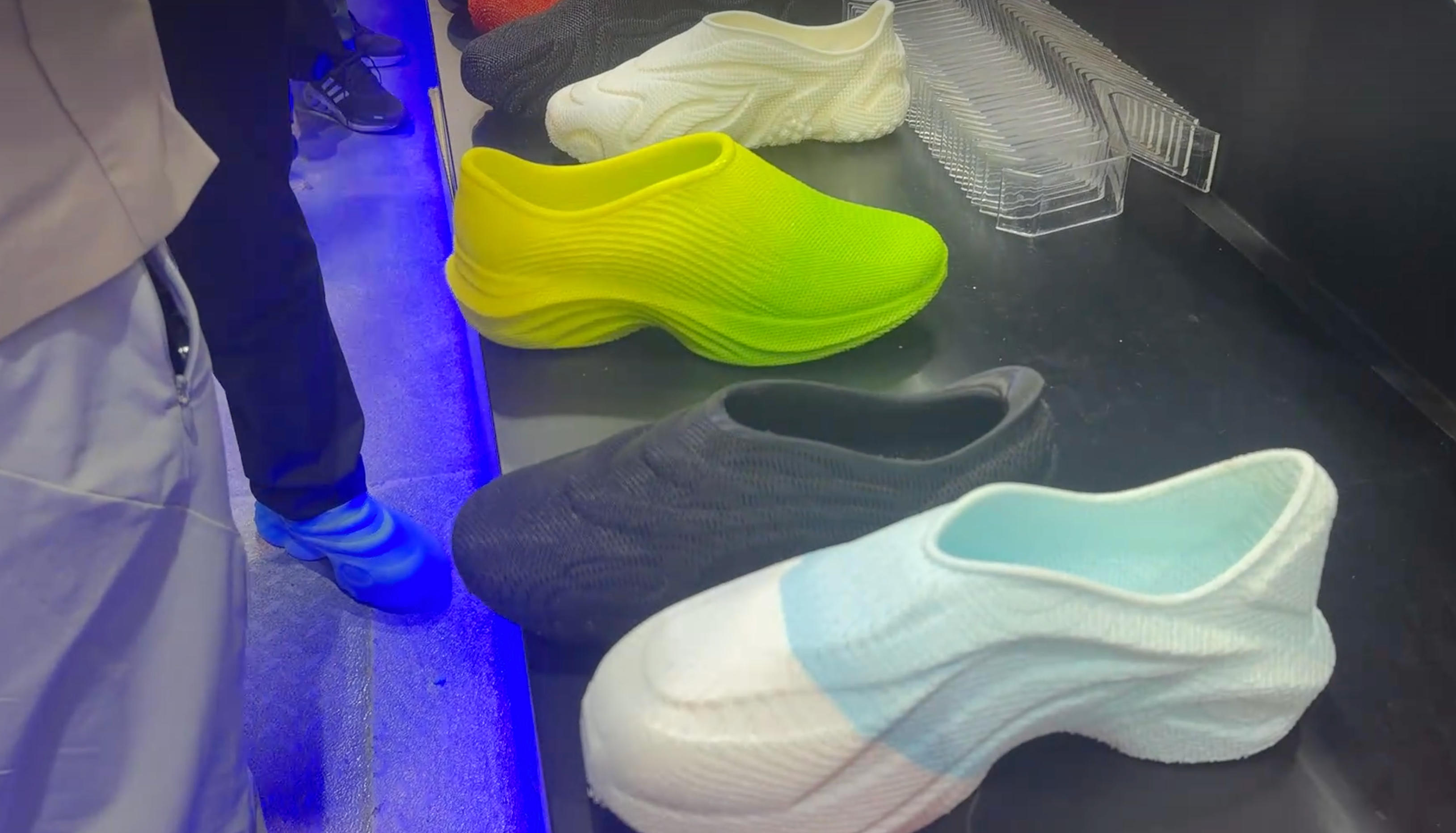
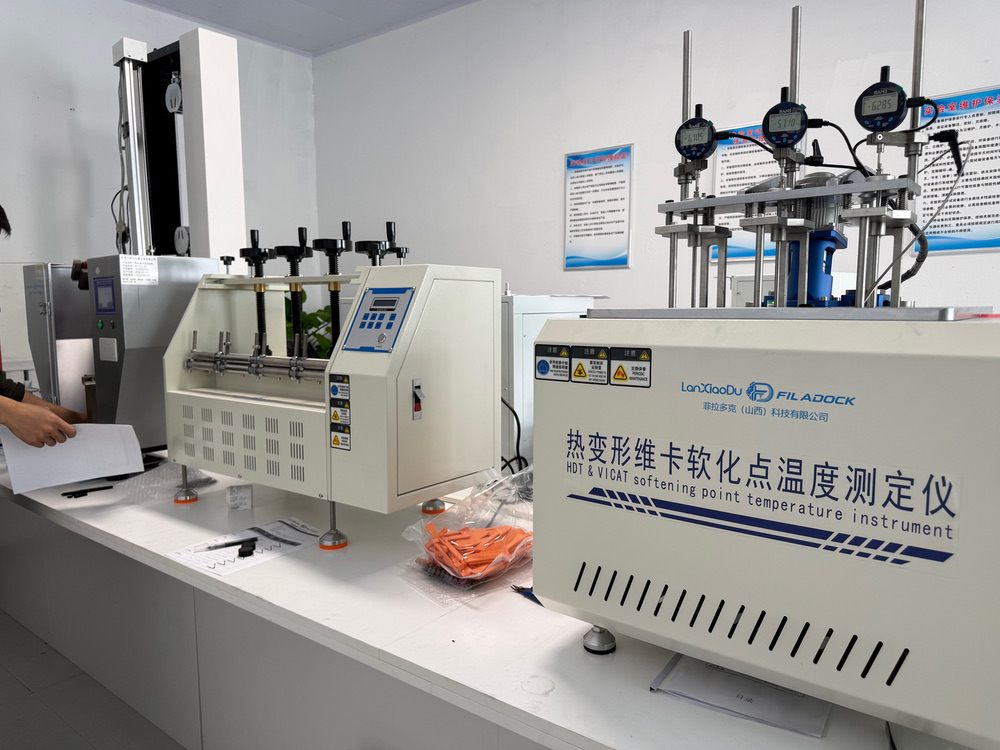
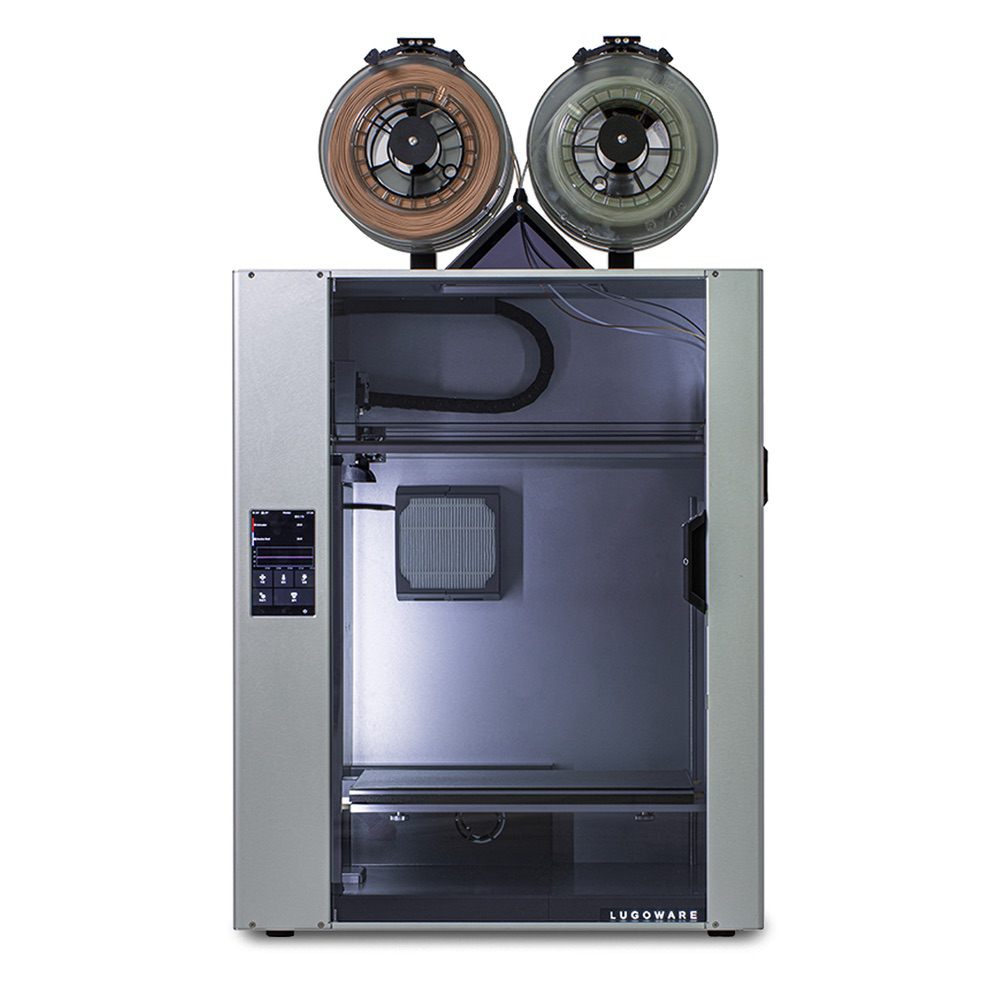
In October 2026, Lanxiaodu, under Filadok, ran a full-process test of its self-developed 2.85mm foamed TPU on the Korean LUGOWARE FLEX4 printer. After printing, heating expands the material to about twice its volume, and the shoe body becomes noticeably lighter. This marks the shift of foamed TPU shoe printing from "can it print" to "how to print it better."
Why does it have to be 2.85mm? Soft materials fear bending and slipping most during filament feeding, and the thinner the filament, the easier it buckles under compression. With the same material, the section moment of inertia of 2.85mm is about 7 times that of 1.75mm, giving much stronger resistance to buckling and more stable feeding—only then do low-hardness formulations have a chance to print reliably. FLEX4's official positioning confirms this: 1.75mm targets harder materials above 90A, while 2.85mm targets soft materials below 90A; four printheads can be mixed, enabling soft-hard zoning in a single build.
Foamed TPU solves three things for soles: light, springy, and durable. TPU itself is highly resilient, wear-resistant, and low-temperature resistant; after foaming, numerous micropores form inside, density drops significantly, and under the same structure the sole is lighter and uses less material—the feel shifts from a "solid hard block" to "soft, bouncy cushioning." 3D printing also lets a single sole combine high-density support in the forefoot with low-density cushioning in the heel, achieving zoned feel in one piece—something traditional injection foaming struggles to do. Lanxiaodu previously used PEBA to push sole rebound above 75%; foamed shoe models can be tuned between Shore 40D and 60D hardness and still stay elastic at -10°C.
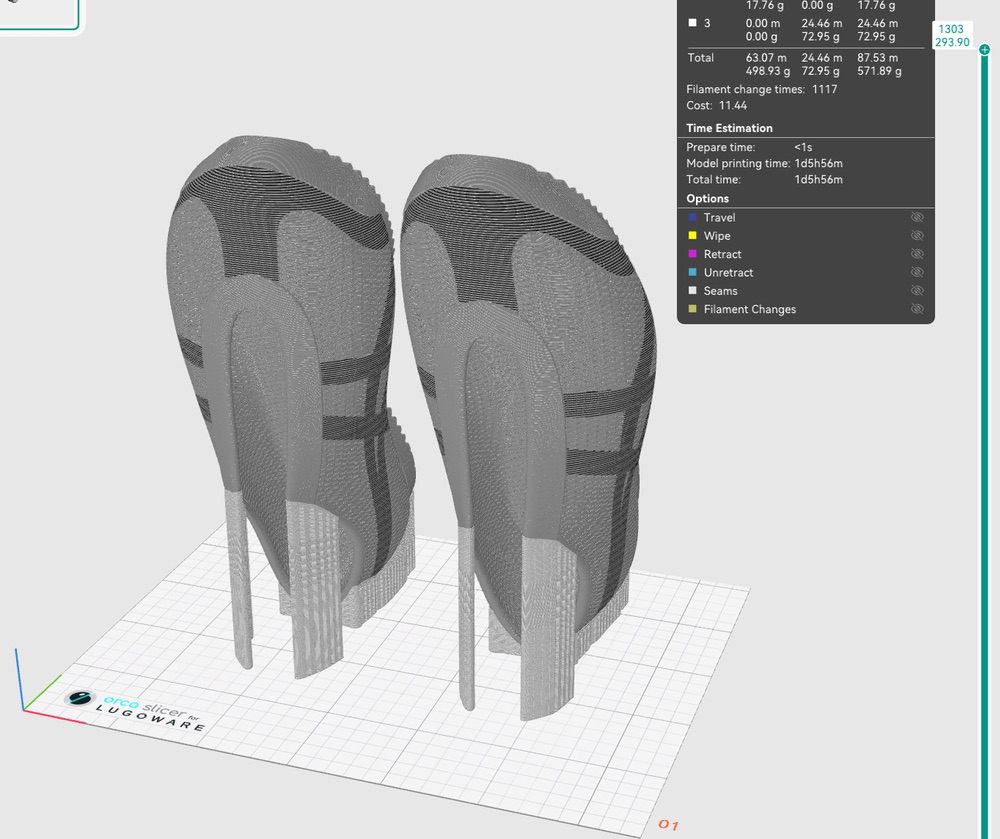
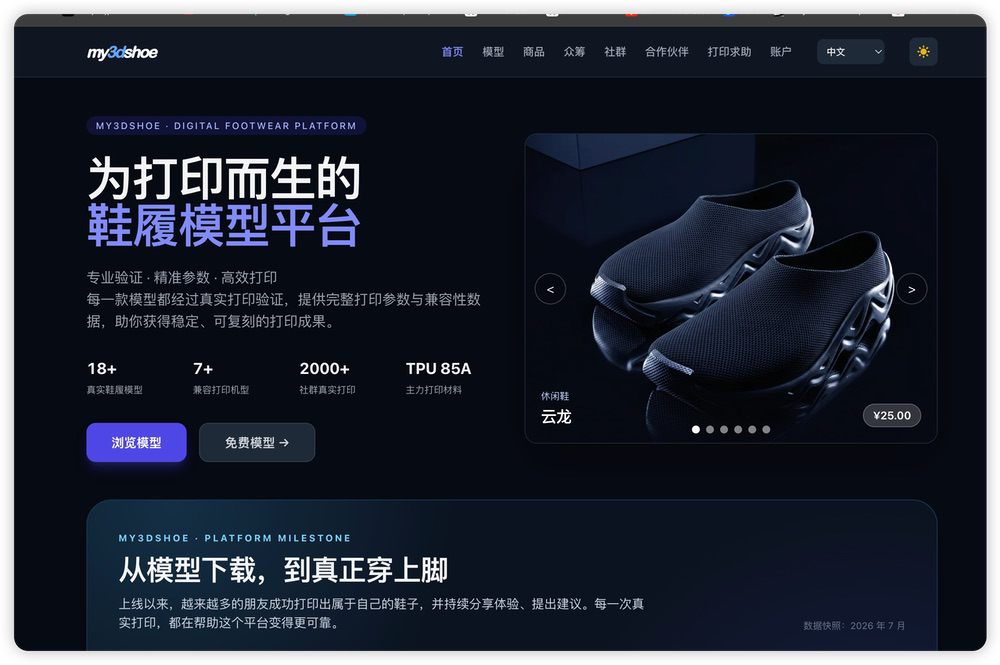
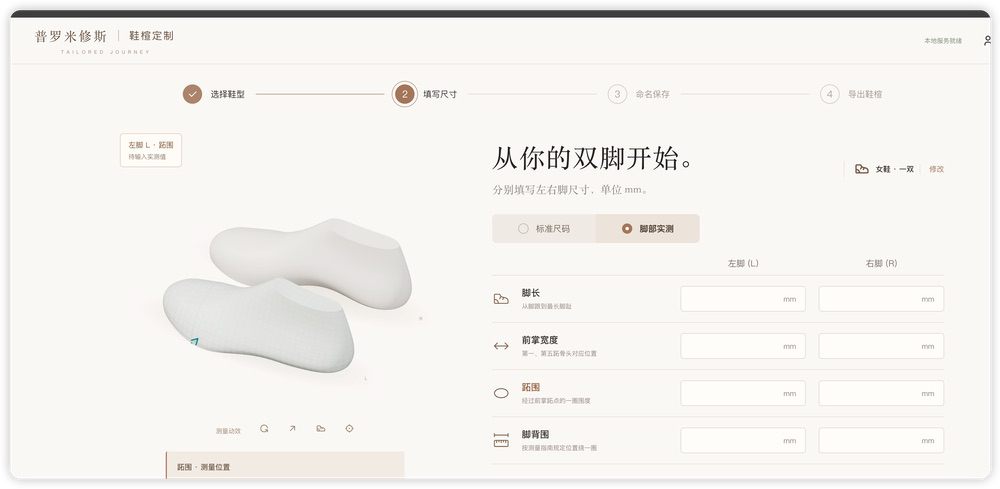
This solution isn't just selling printers and filament: FLEX4 pairs with a shoe-specific lattice slicing ecosystem, and my3dshoe co-develops the shoe model library and 3MF files—printer, slicing software, filament, and ecosystem delivered as a four-piece set. my3dshoe was founded by 3D printing farm owner "Uncle," who has used over 300 kg of TPU and printed more than 300 pairs of shoes for validation. Launched in June 2026, it gained 1,151 registered members and 3,275 downloads in 49 days, with a paid repurchase rate of 52.3%. An adult pair typically uses 600–800 g of filament and takes two to three days of continuous printing; TPU drying, feeding, hardware condition, and dozens of slicing parameters—any single failure can ruin the whole pair. What's truly scarce has never been the model, but the experience of successfully printing a pair of shoes.
For the industry, traditional shoe sample development means long mold cycles, high costs, and slow revisions; 3D printing compresses a sample from "weeks" to "days." Foamed TPU makes printed parts no longer just samples but finished products close to mass-production feel. With a self-developed production line on the material side, dedicated printers and slicing software on the equipment side, and an ecosystem website on the user side—a complete "foamed TPU printed shoe" solution is taking shape, turning "printing a good pair of shoes" from personal experience into a repeatable standard process.


©2026 3dptimes.com All Rights Reserved