Home  >  News

August 17, 2026      News      9695

On August 6, 2026, People’s Daily published a report titled “Shenzhen’s 3D Printing Industry Achieves Efficient Production and Rapid Iteration – ‘Time Is the Most Precious Resource.’”

According to the data, Shenzhen’s 3D printer production grew by 58.1% year‑on‑year in the first half of 2026, with exports reaching 8.27 billion CNY (approximately 1.15 billion USD) – a staggering 127.5% increase. That figure accounts for 86% of China’s total 3D printer exports. In other words, for every 10 3D printers exported globally, nearly 9 come from Shenzhen.
Shenzhen’s 3D printing industry is shifting from “isolated innovation” to “full‑chain synergy.”
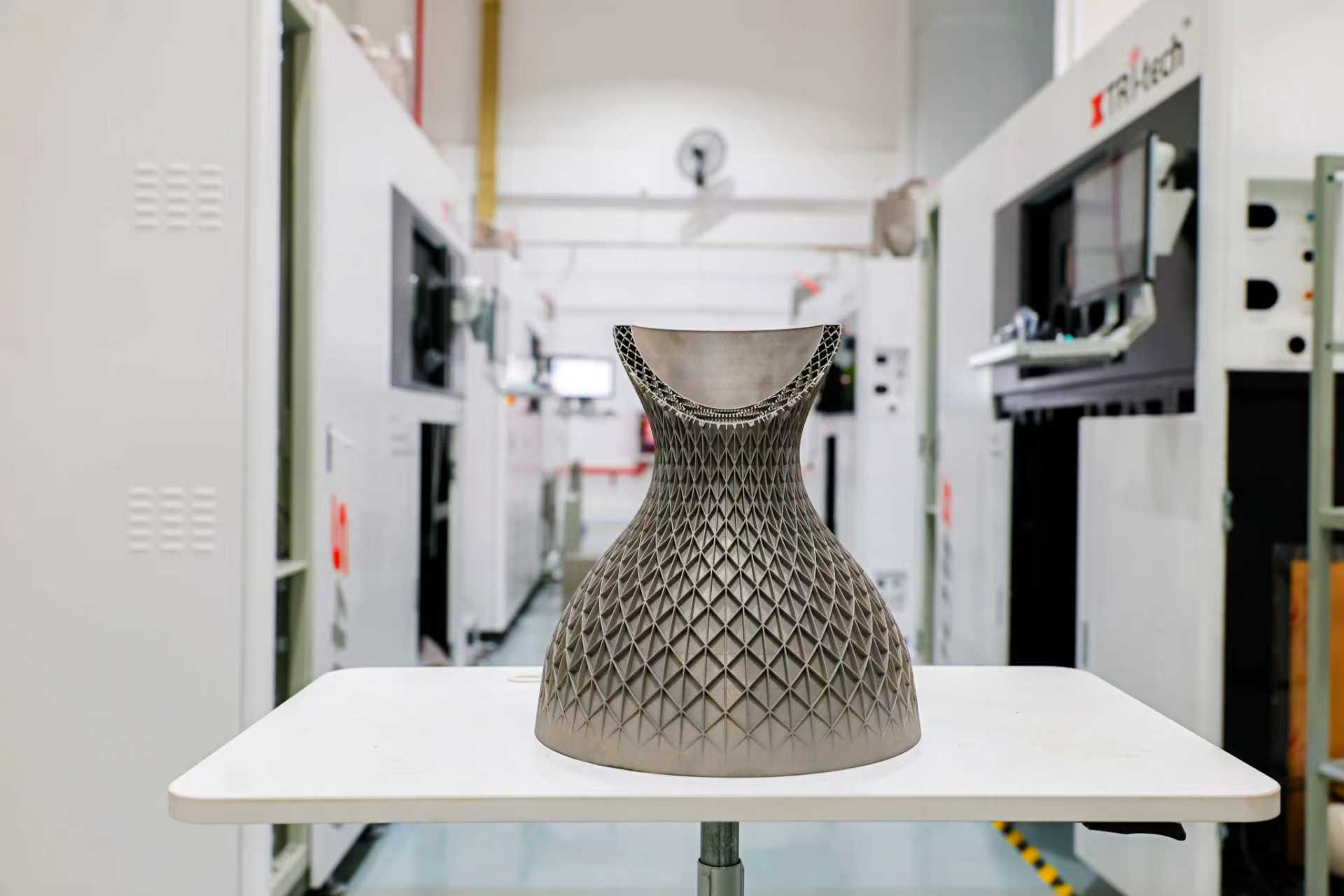
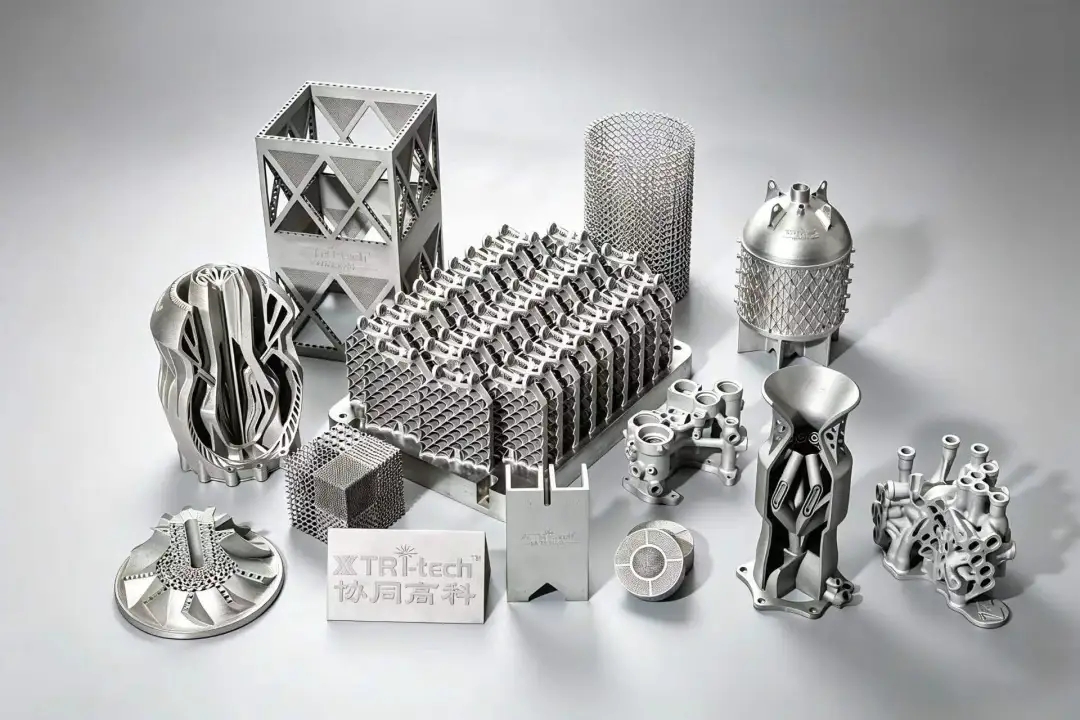
At the Xinqiaodong Advanced Manufacturing Industrial Park in Bao’an District, industrial‑grade 3D printers from Co‑Synergy High‑Tech are running at full speed. Nozzles deposit layer upon layer, turning design blueprints into solid parts within hours – ready for mechanical or assembly validation. Luo Meng, co‑founder of the company, explains the difference: “Consumer‑grade 3D printing follows a mass‑market, accessible path – serving hobbyists, educators, and light‑duty creative needs. Industrial‑grade, on the other hand, serves high‑end manufacturing like aerospace, medical devices, and tooling, where precision and strength are on a completely different level.” In recent years, the booming new‑energy vehicle, low‑altitude economy, and humanoid robotics sectors have created surging demand for lightweight, complex structural components – opening vast new opportunities for industrial 3D printing.
Luo Meng sees industry evolution unfolding in three phases: structural lightweighting, material lightweighting, and multi‑material synergy. Co‑Synergy has laid out three technology tracks – continuous fiber, metal, and ceramics. This year’s breakthrough focus is continuous‑fiber composite printing. This material is both light and strong, but long‑standing challenges – fiber breakage, weak interlayer bonding, and difficult scaling – have held it back. The team has developed proprietary processes including prepreg tow preparation, adaptive impregnation, and in‑situ curing, achieving mechanical properties that now surpass those of conventional materials. They’ve also upgraded the machine’s sensing and control system, which automatically adjusts parameters for different materials – high‑temperature or low – so the equipment runs continuously without manual intervention.
“Competition is fierce, and time is our most precious resource,” Luo Meng adds. Traditional mold‑making takes two to three months; with 3D printing, a functional prototype can be ready in about five days. That time advantage can be the difference between winning and losing.
Industrial agglomeration is accelerating the pace. At Xinqiaodong Park, 3D printing companies sit side‑by‑side – a “neighbor‑to‑neighbor” setup where upstream and downstream partners are literally on the same floors, drastically shortening iteration and production cycles. From the R&D centers in Nanshan Science Park to the manufacturing bases in Bao’an and Longgang, Shenzhen has built a complete ecosystem covering materials, equipment, software, and services.
Luo Meng reflects on the journey as a deep‑rooted Shenzhen tech innovator: they’ve witnessed China’s industrial 3D printing sector move from follower to runner‑up, and from import dependency to self‑reliance. On the technology front, they’ve mastered entire systems, key components, specialty materials, and integrated processes – breaking down overseas barriers. On the industry side, Shenzhen’s complete manufacturing infrastructure, vibrant innovation ecosystem, and diverse application scenarios have given rise to a world‑leading additive manufacturing cluster. And on the demand side, the relentless push for advanced manufacturing upgrades forces continuous breakthroughs – transforming 3D printing from a supporting tool into a critical piece of high‑precision production equipment.


©2025 3dptimes.com All Rights Reserved