Home  >  News

February 10, 2026      News      7602

When Ancient Books Meet Cocoa: The Beijing City Library Stages 3D-Printed Chocolate "Magic," Defining New Scenarios for Future Cultural Consumption

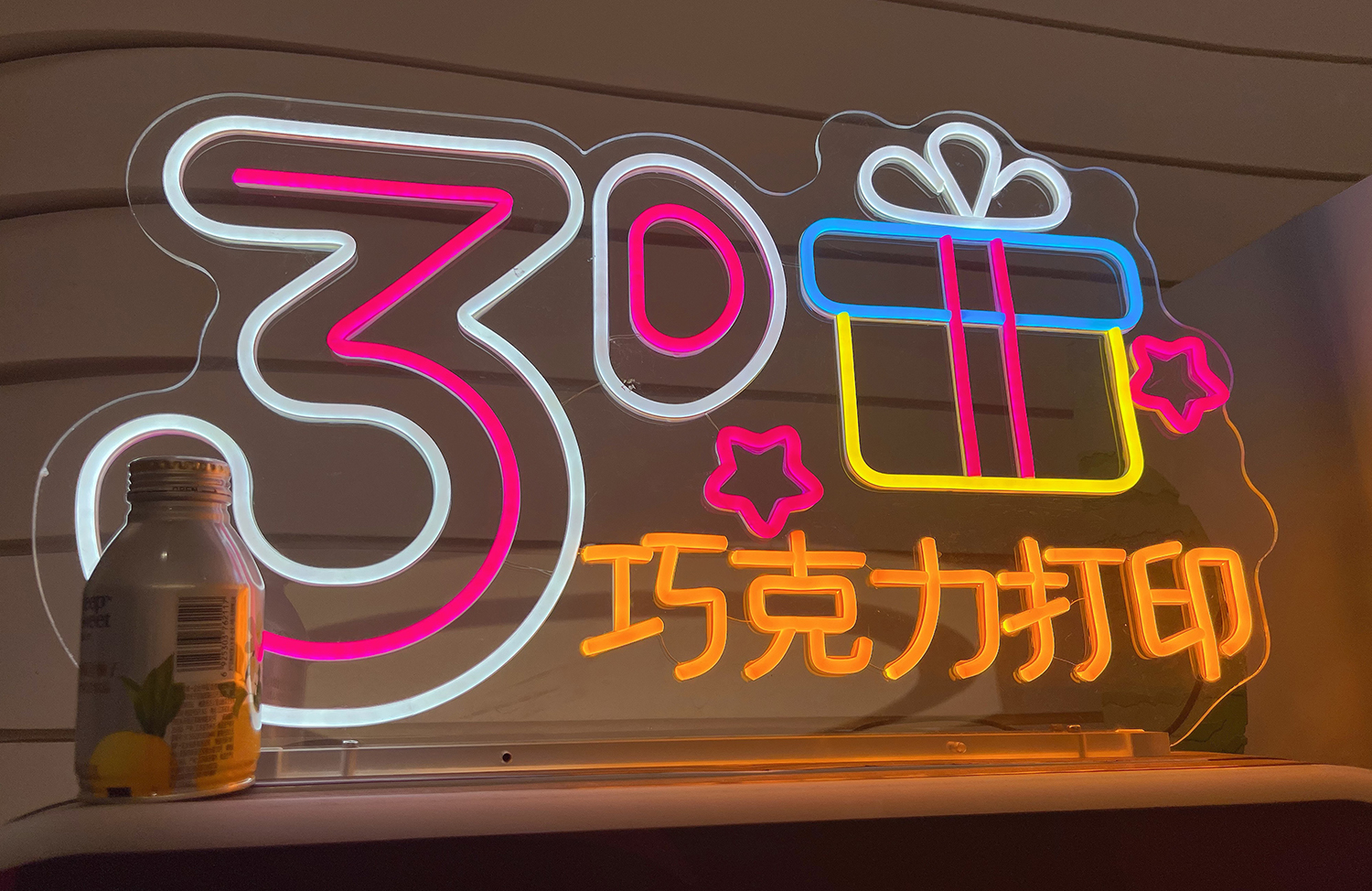
Can you imagine that within the Beijing City Library, renowned as the "Forest Book Haven," the air is filled not only with the scent of books but also the sweet aroma of cocoa? Recently, this new cultural landmark in the capital has quietly introduced a cutting-edge technological experience—3D-printed chocolate services. This is far from a mere "gimmick"; rather, it signifies how 3D printing technology, with its ultimate personalization and creative capabilities, is breaking out of traditional fields like industrial manufacturing and medical modeling to integrate into everyday cultural life. It sketches a future vision of the convergence of "technology + culture + consumption."

On-Scene Glimpse: "Taste Bud Printing" in the Library

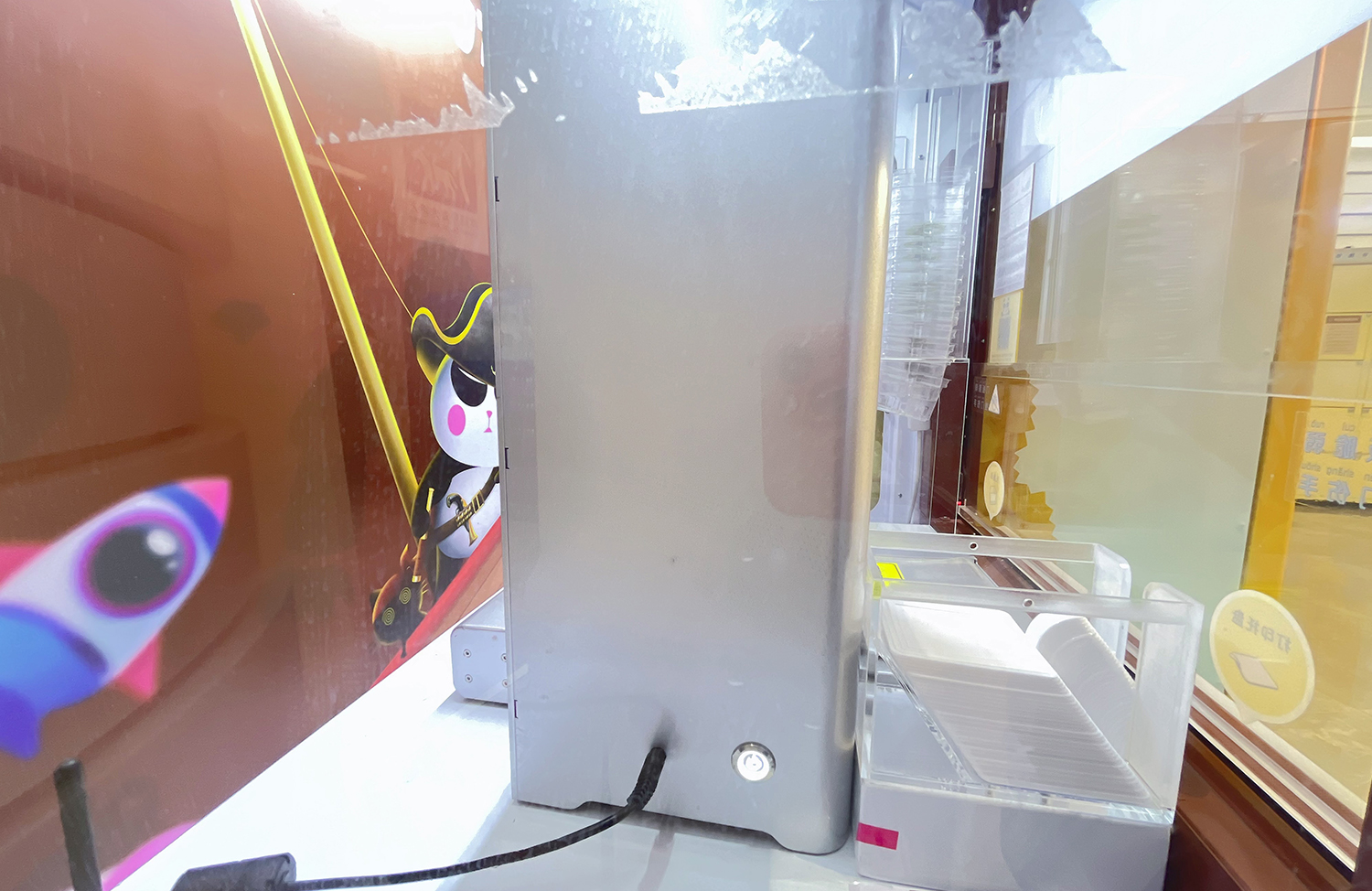
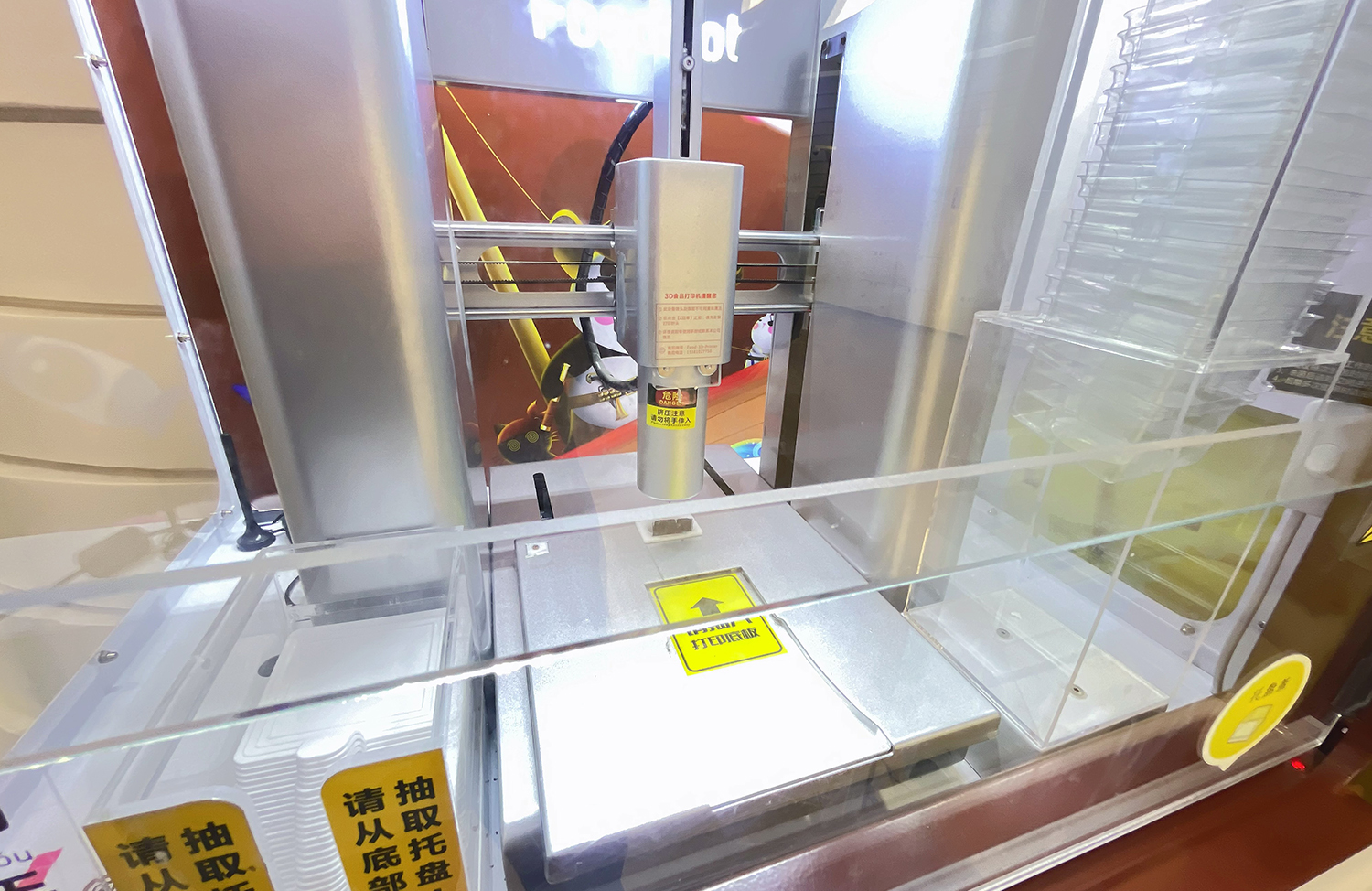
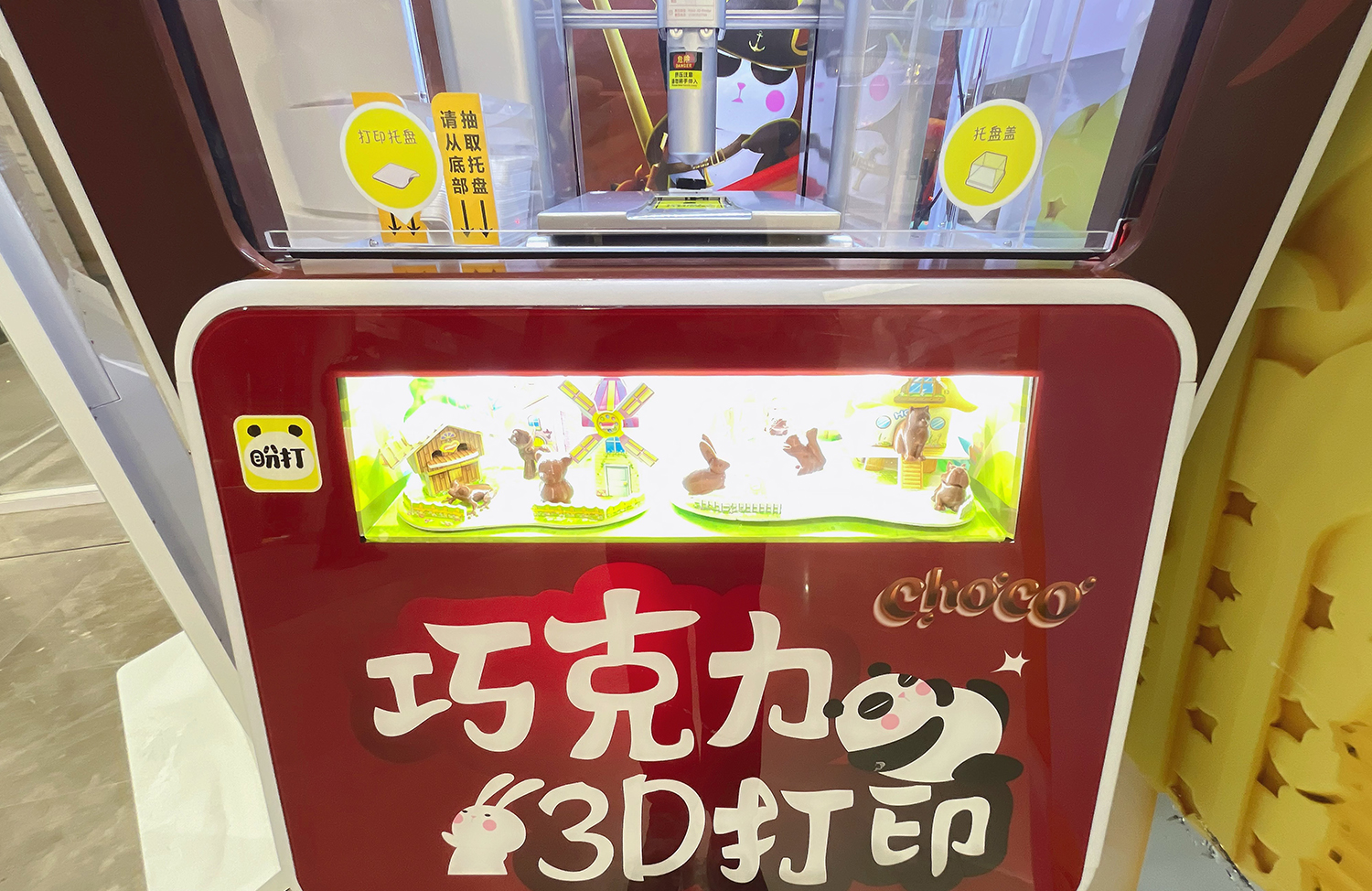
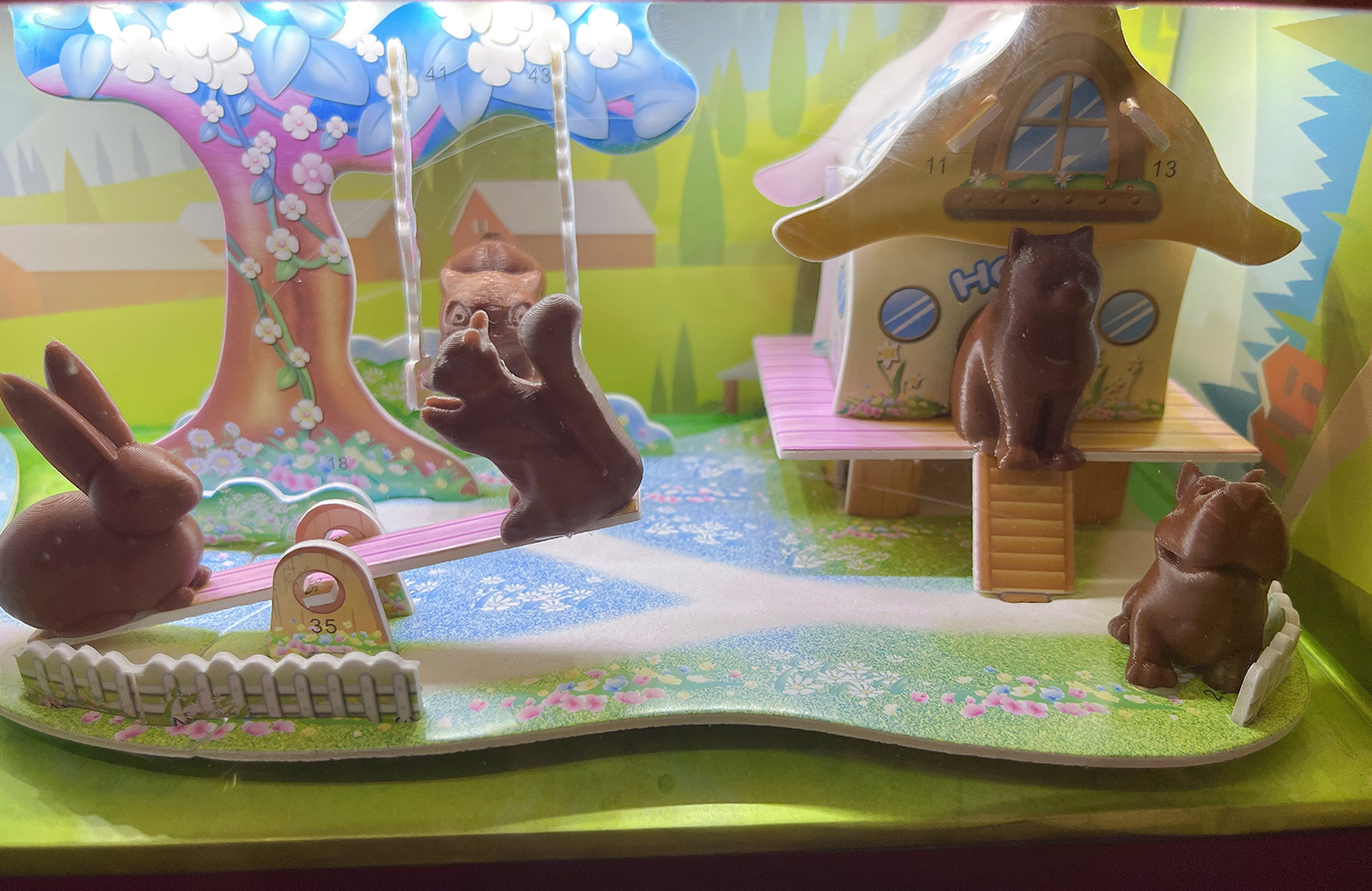
In the library's public rest areas or specific themed activity spaces, an elegant food-grade 3D printer has become a focal point for readers. With its user-friendly interface, readers can select models from a preloaded library related to the library's themes—these might include an intricately designed "book" chocolate, a miniature version of the library's "starry dome," or even cartoon shapes customized based on classic literary characters.

Once selected, the printer's nozzle springs into action, using edible "ink" (typically tempered high-quality chocolate paste) to "draw" layer by layer according to the digital model. In just a few minutes, a three-dimensional, exquisite, and unique chocolate artwork materializes before one's eyes. The process itself resembles a miniature modern magic show, transforming intangible digital creativity into tangible, edible entities, seamlessly blending the joy of "creation" with the pleasure of "tasting."

Technical Decoding: Beyond "Form," Focusing on "Quality" and "Experience"

The food-grade 3D printing technology applied here emphasizes high precision, temperature control, and food safety.

Precision Control: The nozzle can extrude filaments with precision, achieving intricate textures and overhanging structures that traditional molds cannot easily replicate.

Temperature Management: Constant temperature control throughout the process ensures the chocolate remains in its optimal working state, preserving its gloss, texture, and crisp snap.

Material Safety: Food-safe chocolate ingredients are used, and the entire process is clean and controllable.

More importantly, it offers an experience of "deep personalization" and "instant creation." Readers are not merely consumers but active participants in the design process. This sense of involvement aligns perfectly with the library's core role as a space for knowledge creation and sharing.

3D Printing Technology Industry Insights: The "Crossover" Journey and Scenario Revolution of 3D Printing
The Beijing City Library's experiment provides an inspiring model for the popularization of 3D printing technology in civilian applications.

Scenario Breakthrough: It successfully embeds a "hardcore" technology into a high-frequency, high-traffic public cultural setting, allowing the public to engage with cutting-edge technology in a relaxed and familiar atmosphere. This significantly lowers the cognitive barrier to the technology.

Emotional Connection: Through the medium of "chocolate," which evokes pleasure and gifting associations, 3D printing technology is infused with warm, sweet emotional value, transforming from a "production tool" into an "emotional creation tool."

Cultural Empowerment: By converting cultural symbols (architecture, books, IP images) into edible derivatives through technology, it creates entirely new forms of cultural consumption. This expands the library's service boundaries and enhances visitors' memorability and interactive engagement.

This aligns with the recent collaboration between Shangpin Home Collection and Bambu Lab to explore "home 3D printing maker spaces." Both point to the same future trend: 3D printing technology is leaping out of workshops and studios to deeply integrate into our daily life scenarios—whether at home or in urban public spaces—as a creative partner.

Future Outlook: What Can Be Printed Extends Far Beyond Chocolate

The 3D-printed chocolate in the library may be just a sweet beginning. It validates the commercial potential and appeal of food-grade 3D printing in scenarios like cultural tourism, education, and retail. Looking ahead, we might witness:

Deeper Thematic Customization: Closer integration with special exhibitions, author events, and holiday celebrations to launch limited-time customized offerings.

Material Diversification: Options like icing, cheese, or even customized nutritional pastes could provide personalized choices for those with special dietary needs.

Expanded Educational Functions: Incorporating 3D printing into STEM education or creative workshops, allowing children to intuitively understand the entire process from digital design to physical formation.

While the Beijing City Library's intelligent system manages vast digital collections, a 3D printer nearby uses chocolate to "compose" delicious short poems. This seemingly minor crossover is, in fact, a significant signal: the ultimate goal of cutting-edge technology is to serve people's pursuit of a better life and creative expression. The next time you visit the library, in addition to borrowing a good book, perhaps you can also "print" a sweet creation of your own, personally experiencing this quiet yet fascinating experiment in the fusion of technology and culture.


©2025 3dptimes.com All Rights Reserved