October 14, 2025      Applications      302

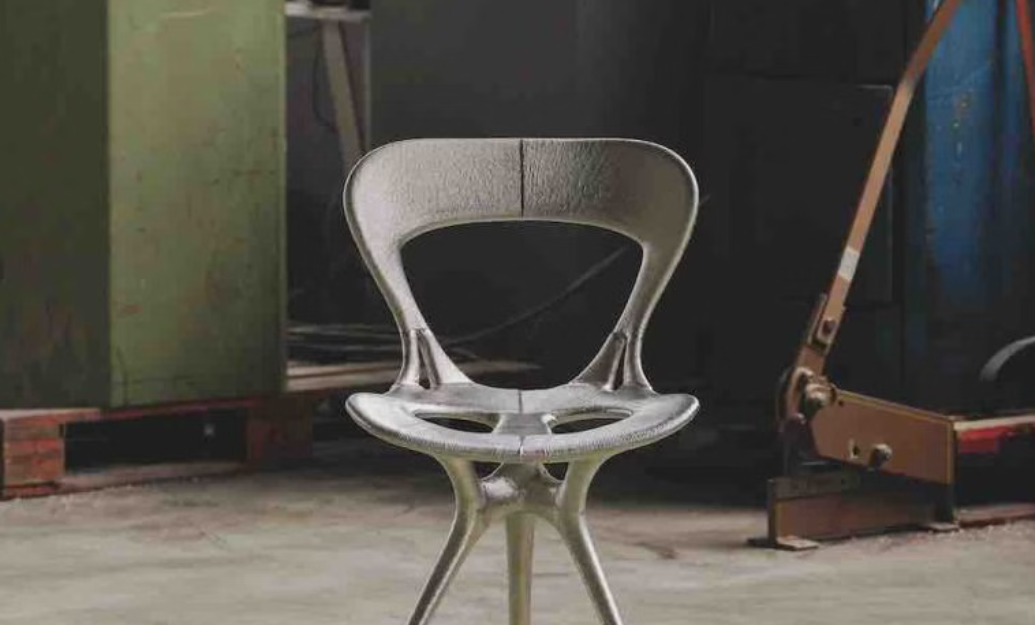
While many in the world of arts and design are understandably wary of the proliferation of artificial intelligence, others are embracing it and using it as a tool. Among those designers is Ross Lovegrove, a Welsh industrial designer known for his futuristic aesthetic and use of cutting-edge technologies. In his latest project, his team partnered with think-tank-cum-design-studio Modem and AI research lab Google DeepMind to create an AI-generated, 3D printed chair.

The project, known as Seed 6143, set out to explore how a collaboration between human and machine could unlock new design strategies and bring them to life. To do this, the partners began by training a Google DeepMind model on Lovegrove’s archive of sketches. With this training and text prompts, the AI model generated hundreds of possible design iterations for a chair, each integrating Lovegrove’s distinct biomorphic style.

The partners also experimented with different prompts that “deliberately avoided conventional labels” in order to elicit a “richer exploration of form and semantics.” For example, they intentionally avoided using the prompt “chair”, instead using synonyms and creative descriptions with the aim of triggering a greater diversity of designs.

“Throughout the process, Lovegrove Studio observed how the model responded to specific terms and used these insights to align the outputs toward the intended design outcomes,” a blog post by Google explains. “This dialogue between designer and AI was a crucial part of the process. We paid close attention to how the model interpreted certain words, using that feedback to refine prompts and steer the output closer to the studio’s vision.”

Ultimately, the partners landed on a particular concept—Seed 6143—which was used as a foundation for the chair. Of course, the AI-generated chair “sketch” wasn’t immediately ready for 3D printing: the design team went in and make various updates, including adding functional elements (like a third leg) and rendering the chair in three-dimensional perspectives. These steps in the design process were done with the help of Google’s AI assistant Gemini.

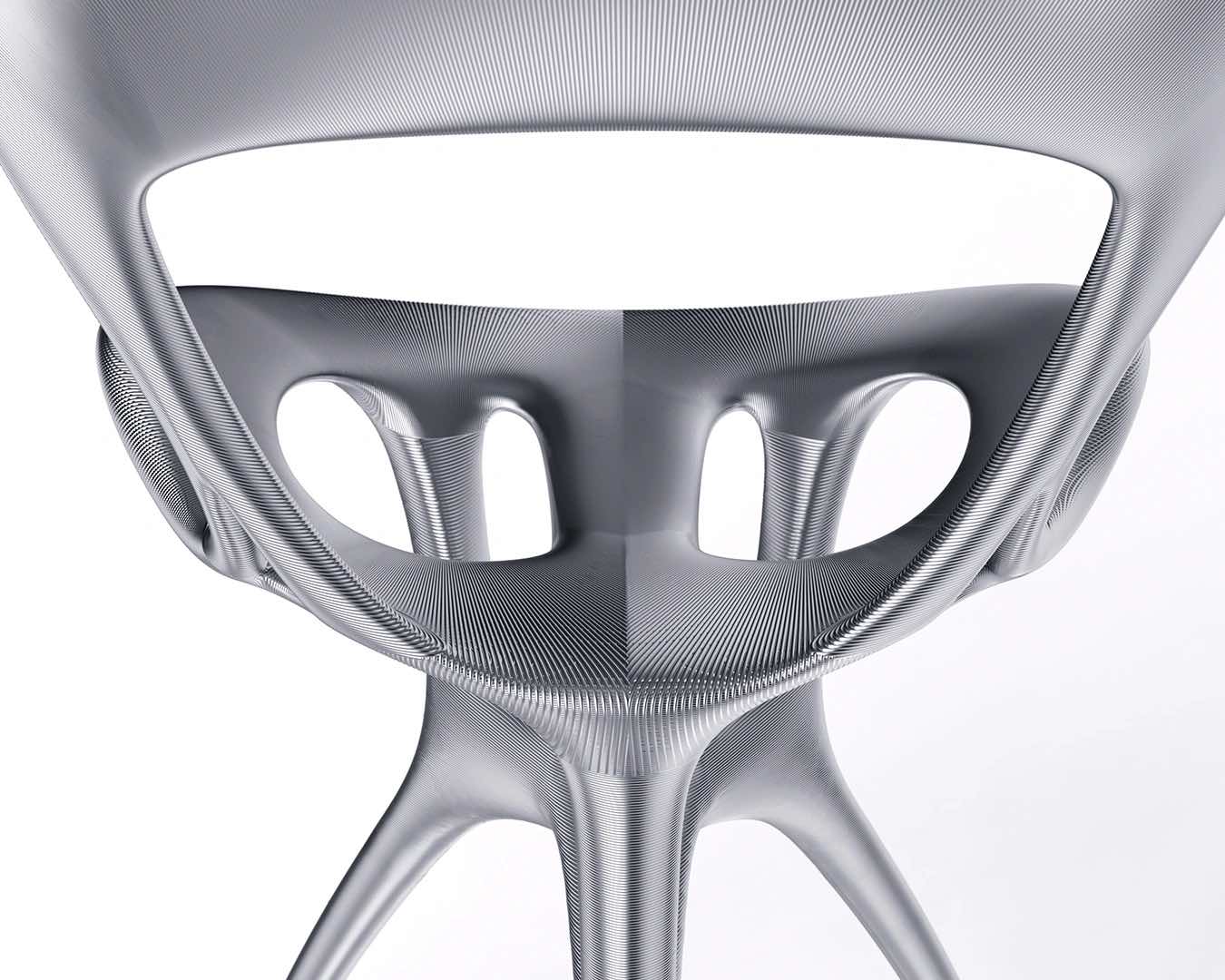
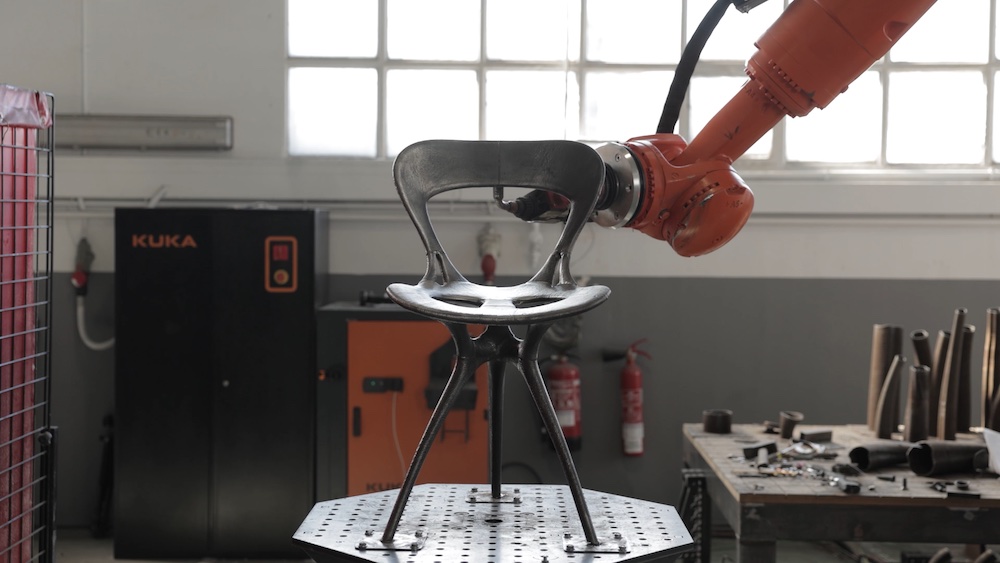
Ultimately, when the design was finalized, it was brought to life using robotic 3D printing. The result is a futuristic metal chair that bears Lovegrove’s distinct aesthetic as well as the traces of 3D printing. “It’s very beautiful because its like growth rings on a tree, it leaves a description of how it began and how it ended,” said Lovegrove in regards to the unique layered texture created in the 3D printing process.

Lovegrove has long been interested in the potential of technology to transform design, and has worked with 3D printing many times before. Last year, for example, the designer presented a collection of 3D printed door handles at Dubai Design Week. The pieces, made in collaboration with JNF Architectural Hardware, were 3D printed from AISI 316L stainless steel and are inspired by organic structures, like coral and a bird’s skeleton. Lovegrove also famously designed a series of limited edition fragrance bottles for Formula One back in 2019.


©2025 3dptimes.com All Rights Reserved