
November 4, 2026      Applications      3DPTimes Editors | Source: BLT official case report, November 4, 2026.      4

The Hi-Light bicycle maker is bringing large-format metal printing into fork development, with design support, inspection and powder supply central to the production workflow.

Fork detail featured in BLT’s November 4, 2026 customer case report. Image credit: BLT.
Hebei Hanglun Technology, the titanium bicycle manufacturer behind the Hi-Light brand, has introduced a BLT-S615 metal additive manufacturing system for titanium bicycle fork development and manufacturing, according to a November 4 report from BLT. The report places the equipment purchase within a cooperation established this year, without giving an exact installation date.

The case focuses on a specific structural component rather than a fully printed bicycle. BLT says its team supported fork design optimization alongside the equipment, materials and production workflow. No purchase price, annual fork output or customer delivery schedule is disclosed.

Cover photograph: fork detail featured in BLT’s November 4 customer case report. Image credit: BLT.

The BLT-S615 offers a nominal build envelope of 650 × 650 × 1,500 mm, excluding baseplate thickness, according to the manufacturer’s product page. The platform is available in configurations with up to eight lasers. The case report does not identify the exact laser configuration installed at Hanglun. A larger build envelope can accommodate longer parts or multiple components, but actual throughput depends on geometry, material and process settings.

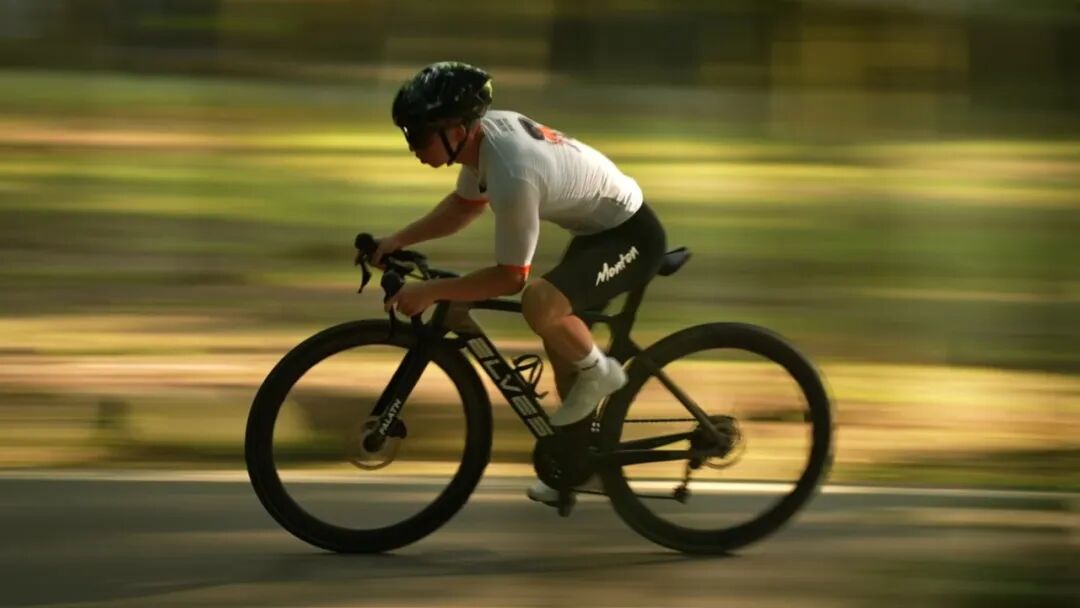
Cycling context photograph supplied with BLT’s case report. It illustrates the application setting and is not a documented performance test of the printed fork. Image credit: BLT.

From design freedom to qualified production

BLT describes topology optimization and integrated forming as ways to redistribute material and reduce welded interfaces in the fork. These are useful design objectives for a load-bearing bicycle component. The report does not provide before-and-after mass, fatigue-life results, impact-test data or a quantified ride-performance comparison.

For 3DPTimes, the production question extends beyond whether a complex shape can be printed. Powder consistency, repeatable processing, surface condition, finishing and inspection all influence whether the finished component can reliably meet its intended requirements. The machine’s nominal size and laser count alone do not establish those outcomes.

BLT says the support package spans design and process development, software, powder circulation, production management, feedstock and training. Its report also describes inspection capabilities covering material chemistry, mechanical properties, microstructure, geometry and nondestructive testing. Laboratory accreditations and quality-system credentials indicate capabilities within their stated scopes; they do not by themselves certify a particular bicycle fork.

The Hanglun case shows a bicycle manufacturer adding metal printing to its own development and manufacturing operations. It is a concrete investment in production capability, while the scale of commercial output and the fork’s measured performance remain undisclosed. Claims of near-zero manufacturing waste or lower lifecycle emissions are not established by quantified data in the report.

Sources: BLT, official customer case report, November 4, 2026: https://mp.weixin.qq.com/s/pK8yStrado_oAkCcsgiQgA . BLT-S615 official product specifications, undated, reviewed November 4, 2026: https://www.xa-blt.com/product/blt-s615/ . Photographs: BLT’s official case report; the fork close-up and cycling context photograph are different images. Article prepared November 4, 2026.


©2026 3dptimes.com All Rights Reserved