From Moon Dirt to Microchips: European Scientists Turn Lunar Soil into Conductive Material
A breakthrough in a Danish-led study supported by the European Space Agency (ESA) has been achieved, where scientists successfully converted simulated lunar soil into conductive material suitable for 3D printing. This means future astronauts might be able to manufacture electronic devices directly on the Moon, significantly reducing dependence on resupply missions from Earth.
High Cost of Earth Transport, Lunar Soil as the Solution
Transporting materials into space is extremely expensive—transporting one kilogram of material requires approximately 15 kilograms of rocket fuel. The lunar regolith covering the Moon's surface thus becomes a crucial resource. Previous research has already succeeded in extracting oxygen from regolith for breathable air and fuel, and the metal-rich mixture left behind after extraction is the core focus of this new study.
The Danish Technological Institute, in collaboration with the UK company Metalysis, separated the regolith components using an electrolysis process at temperatures nearing 1,000 degrees Celsius. After oxygen extraction, the metal-rich residue is ground into fine powder, which is then formulated into conductive ink or 3D printing powder.
The Leap from Construction Material to Functional Components
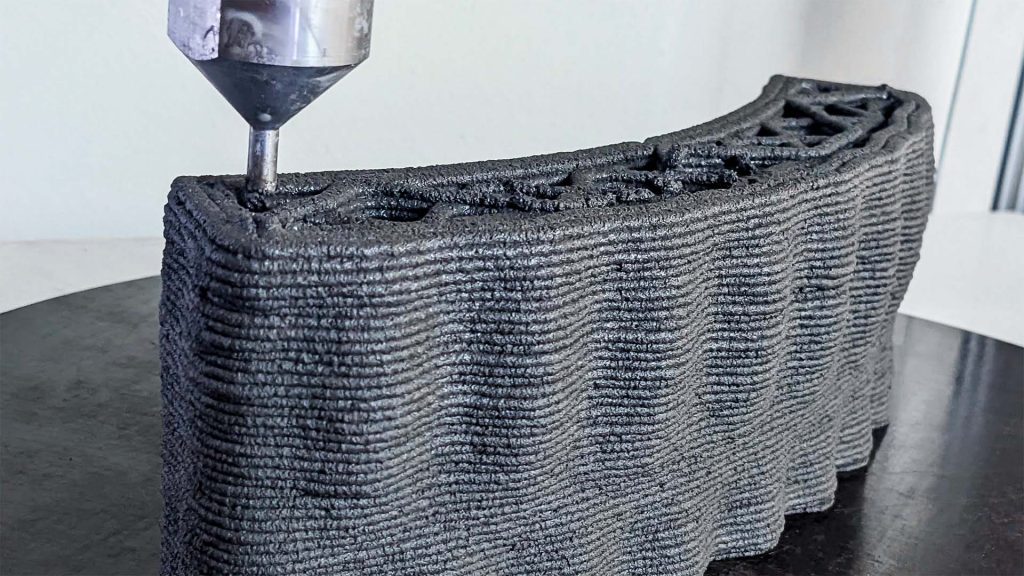
"The core innovation of the project is converting the conductive part of the lunar regolith into a digitally printable material," said Christian Dalsgaard, Senior Consultant at the Danish Technological Institute. This marks an important shift in lunar resource utilization from "structural materials" to "functional materials"—previous research mostly focused on using regolith to create structural components like bricks and foundations, while electronic parts still needed to be shipped from Earth.
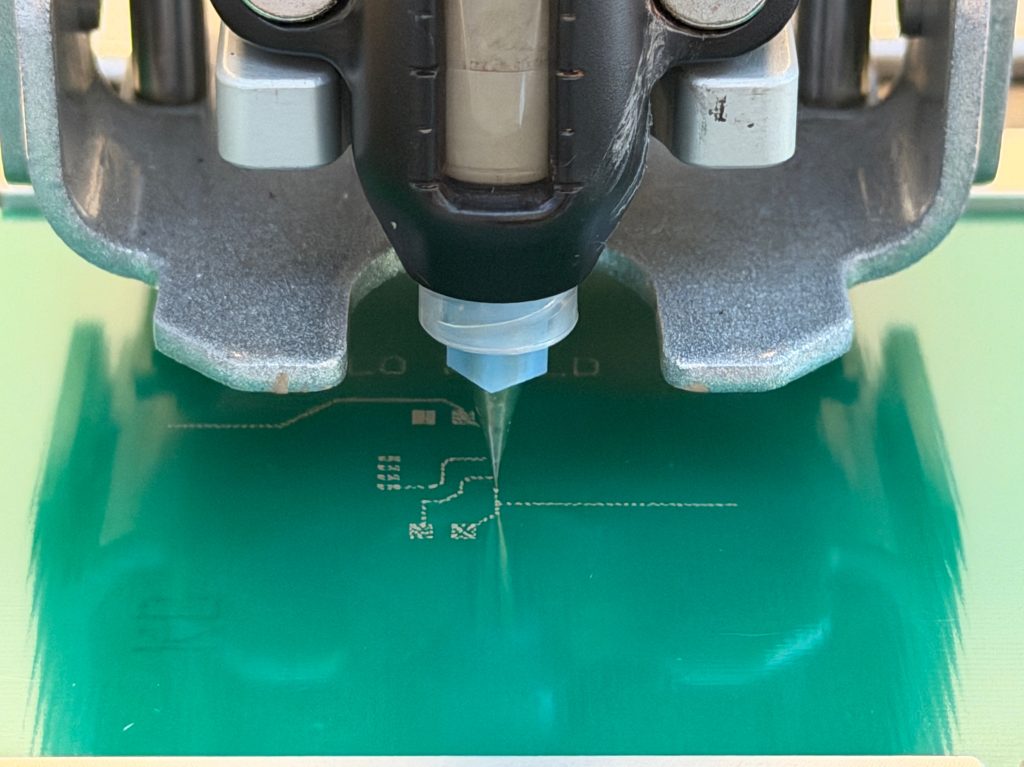
The research team has successfully printed simple wire structures using the regolith-derived conductive ink. Experts indicate this technology could potentially support the direct manufacturing of antennas, circuits, or repair parts at future lunar bases, enabling in-situ equipment repair and upgrades.
A Key Step Towards Sustainable Space Exploration
Although this proof-of-concept study is in its early stages, it points the way for long-term space missions. Establishing localized electronics manufacturing capability on the lunar surface could significantly enhance mission resilience and autonomy, reducing vulnerable dependence on long supply chains.
As lunar exploration programs worldwide continue to advance, utilizing extraterrestrial resources to achieve "self-sufficiency" has become a core strategy for space exploration. This research, which transforms lunar regolith into electronic materials, represents a significant milestone on the path towards sustainable space industrialization.