Home  >  News

August 7, 2026      News      9814

After penile injury, the structure of the corpus cavernosum collapses, and natural regeneration is almost hopeless.

Drugs can only temporarily improve blood flow, and surgery struggles to reconstruct the intricate microvascular network. More troubling, implanted biomaterials often trigger T‑cell rejection and excessive inflammation, undoing any repair effort. Mesenchymal stem cells (MSCs) have raised high hopes, but their exact mechanisms remain unclear.
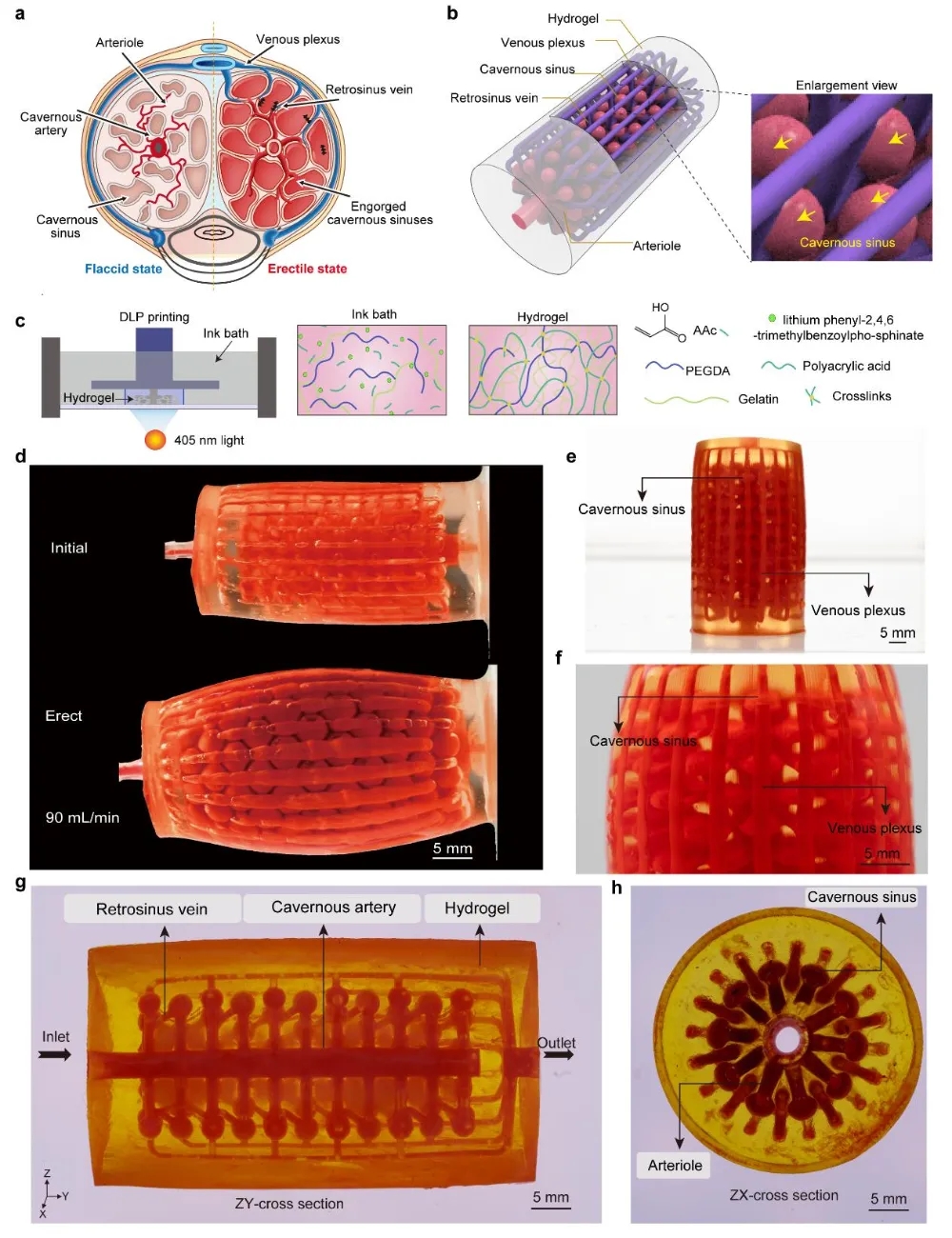
A team led by Professor Shi Xuetao at South China University of Technology used DLP 3D printing with an ink composed of gelatin, acrylic acid, and PEGDA to create a hydrogel biomimetic construct featuring sinusoid‑like structures. Perfusion experiments confirmed that high‑speed fluid flow could dilate and deform the sinusoids, perfectly mimicking the mechanical response during erection. They further seeded the construct with porcine umbilical cord MSCs and implanted it into penile cavernosal defects in pigs.
Eight weeks later, remarkable results emerged: the MSCs survived long‑term, the hydrogel degraded completely, and the newly formed sinusoids were nearly indistinguishable from normal tissue. Electrical stimulation induced a firm erection that lasted 60 seconds. Even more impressive, the repaired boars were paired with sows and, within four months, fathered 17 piglets—close to the 19 from the normal control group, while the defect group produced only 4. Functional recovery was real and tangible.
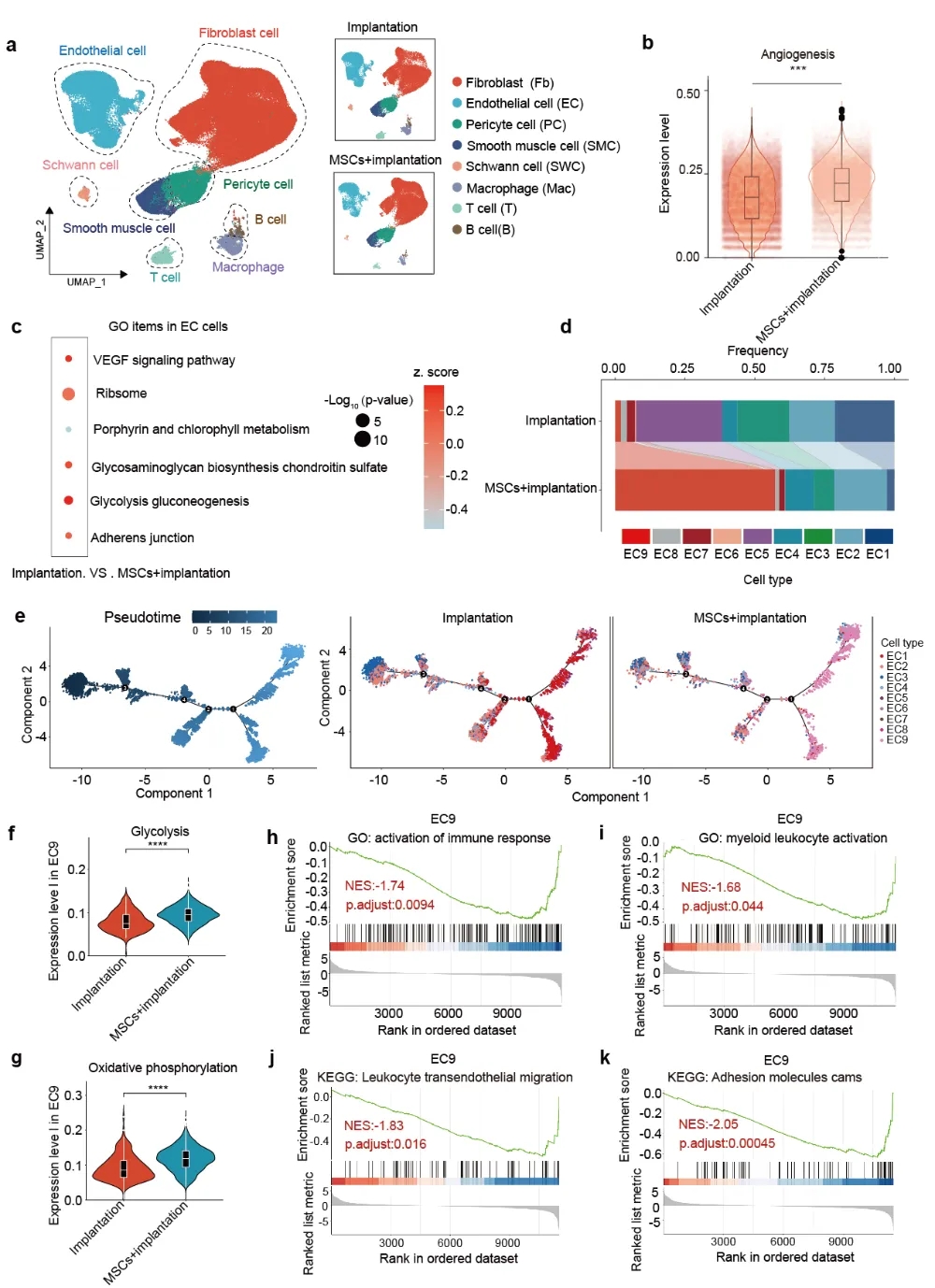
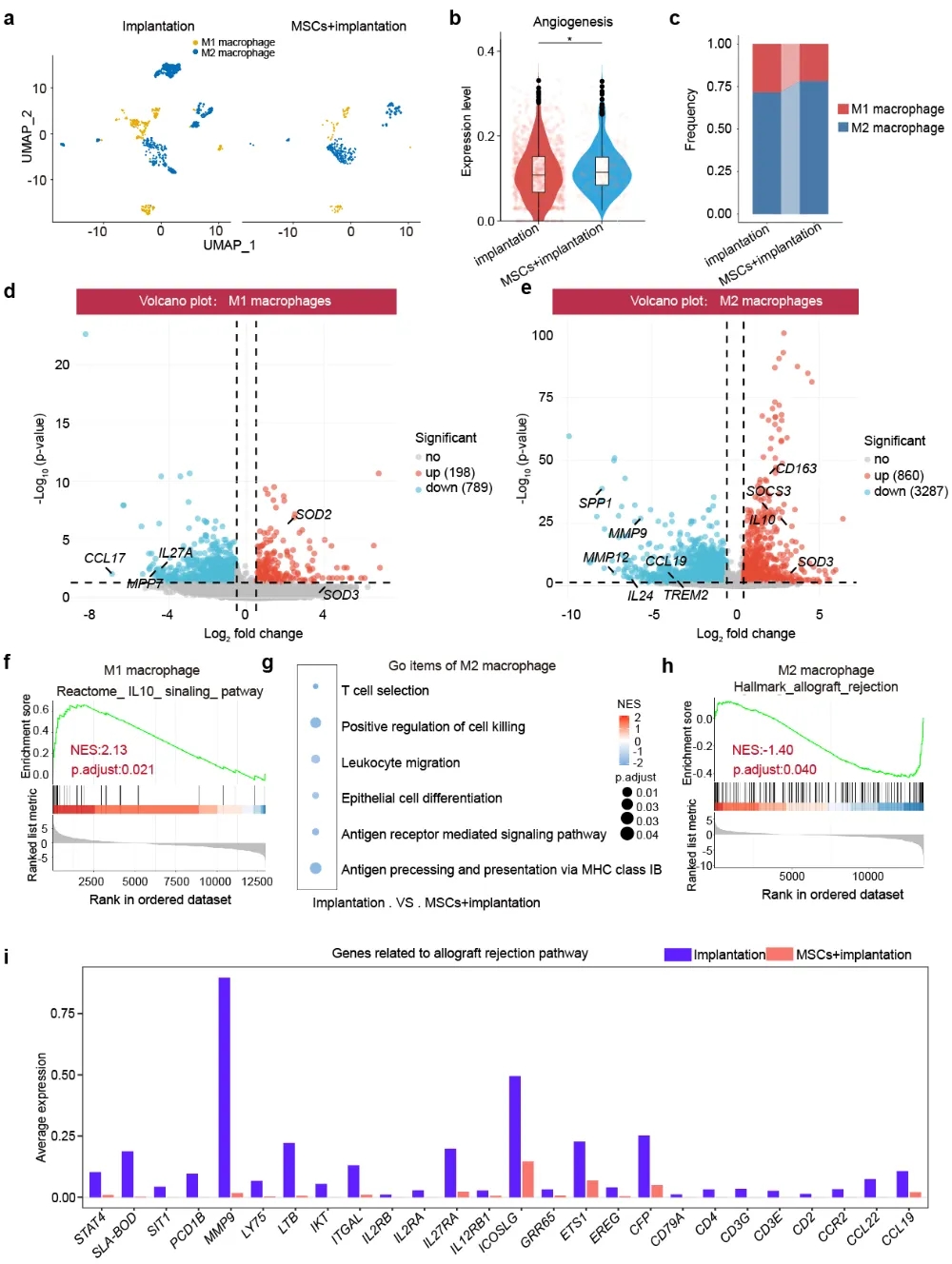
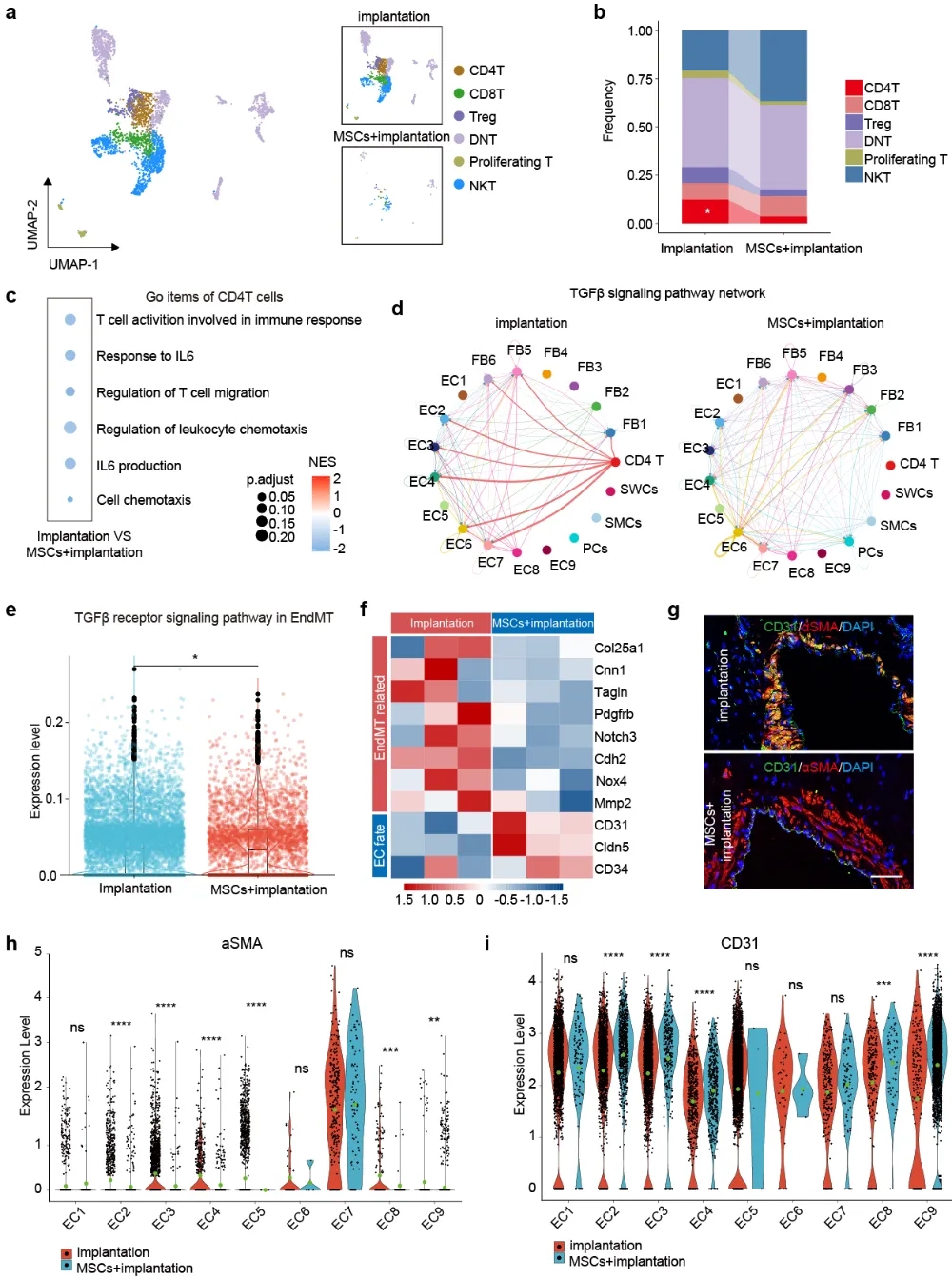
Single‑cell RNA sequencing uncovered a triple mechanism: the MSCs promoted terminal differentiation of endothelial cells to rebuild functional blood vessels; they reduced TGF‑β secretion from CD4⁺ T cells, suppressing endothelial‑to‑mesenchymal transition (EndMT); and they reprogrammed the macrophage immune microenvironment—activating anti‑inflammatory IL‑10 signaling in M1 macrophages while downregulating pro‑rejection pathways in M2 macrophages. Inflammation and graft rejection were comprehensively suppressed, allowing smooth vascular regeneration.
This work not only restores erectile prowess in pigs but also offers a new paradigm for treating organic ED in humans—pushing the field from structural biomimicry toward true functional regeneration through the combination of 3D‑printed biomimetics and stem cell modulation. Original article: doi.org/10.1016/j.biomaterials.2026.124491


©2025 3dptimes.com All Rights Reserved