Home  >  News

March 15, 2026      News      9849

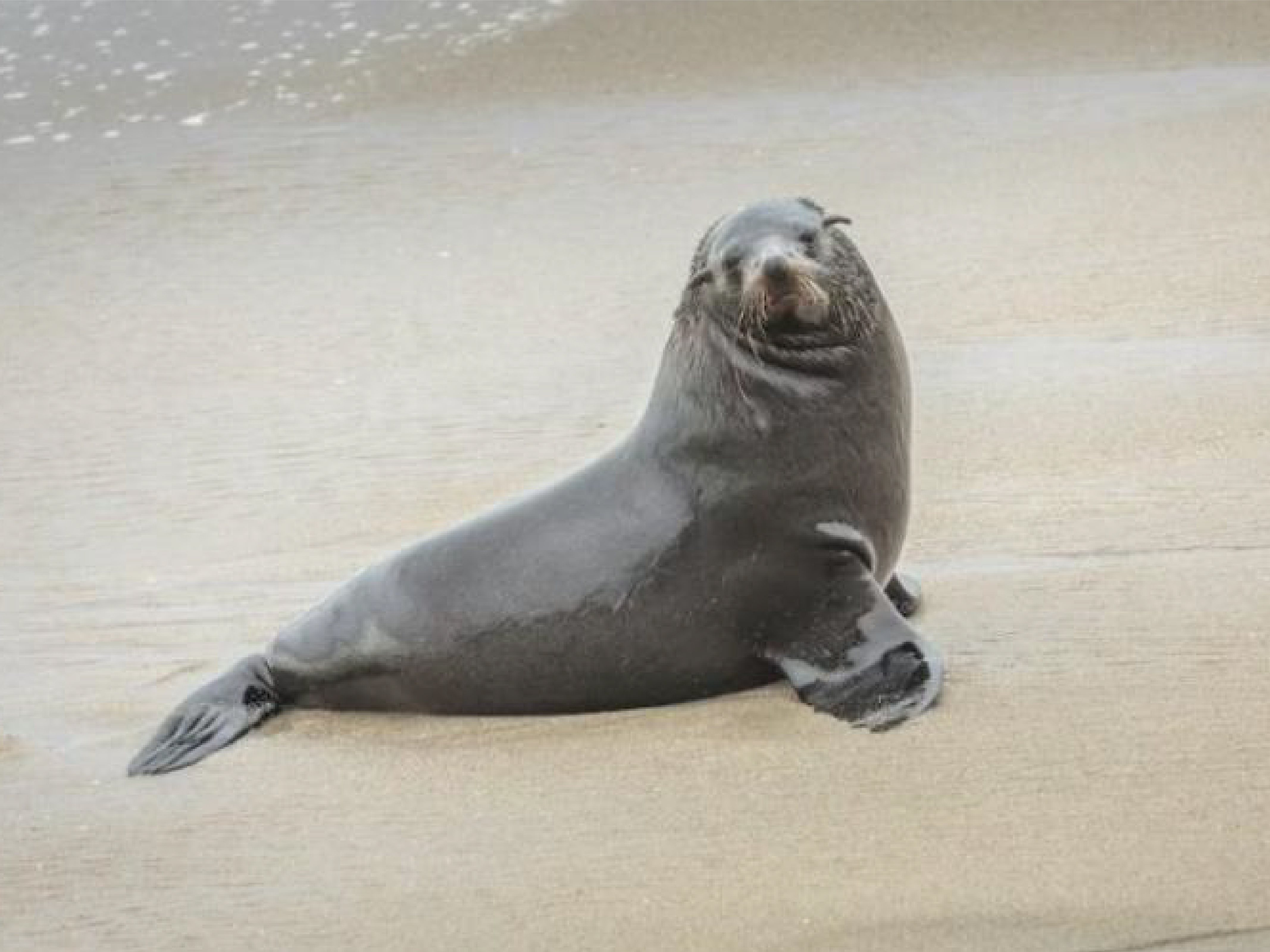
California's southern coastline is experiencing a silent crisis—a growing number of sea lions are stranding themselves due to neurotoxin poisoning from toxic algal blooms, threatened by seizures, brain damage, and even death.

The first step in treatment is blood collection for diagnosis, but traditional methods rely entirely on veterinarians manually feeling for veins, a time-consuming and difficult process.
A research team from the University of Nevada, Las Vegas (UNLV) has brought an unexpected solution: 3D printing.
They reconstructed precise models of sea lion pelvises using CT scan data, then combined SLA and FDM printing technologies to create an ultra-realistic training simulator. The transparent structure makes vein locations clearly visible, while the texture of bones and soft tissue replicates the feel of the real thing. Most crucially, it allows for repeated injection practice—veterinarians can perfect needle placement and depth on the model before working with actual patients.
"Imagination or reading can only take you so far," said study co-author Professor Kwang Kim. "Having an authentic structure to train with offers unlimited opportunities."
While this project currently helps sea lions, the researchers' ambitions extend further. They hope to use the same technology in the future to develop artificial muscles, simulate human blood vessels, and even provide "simulated bodies" for surgeons to practice procedures before operations.
A 3D-printed model, starting with stranded sea lions, is opening the door to human medicine.


©2025 3dptimes.com All Rights Reserved